Prioritize clinics with certified laser technicians or dermatologists experienced in laser hair removal. Check their credentials and ensure they have specific training in operating laser equipment. An experienced professional can assess your skin type and hair color to determine the most effective laser settings, minimizing risks and maximizing results.
Inquire about the types of lasers used at the clinic and ensure they are appropriate for your skin type and hair color. Clinics with advanced technology often offer more precise and comfortable treatments. Different lasers, such as Alexandrite, Diode, and Nd:YAG, are better suited for different skin and hair types, so it's crucial to find a clinic with the right equipment.
Look for clinics that adhere to strict safety and hygiene protocols to prevent infections or complications. The clinic should use sterilized equipment and disposable items whenever possible. A clean and well-maintained environment is a good indicator of a clinic's commitment to patient safety.
Laser hair removal is a popular method for removing unwanted hair. It saves time, provides smooth skin, and the results last longer than shaving or waxing. If you're in Brampton and have a busy life, you know the struggle of keeping up with traditional hair removal.
Consider this: shaving often, painful waxing, or messy hair removal creams. Laser hair removal is a better option. Clinics, like Laserbody MD, use light tech to target hair follicles. The light zaps the hair at the root.
The benefit is that it damages the follicle to slow or stop hair growth. This means fewer treatments and smoother skin for longer. For those with sensitive skin, this can reduce irritation and ingrown hairs. Also, both women and men in Brampton use laser hair removal to clean up beard lines or reduce body hair.
If you are exploring Laser hair removal Brampton is a popular choice for long-lasting results..Laser hair removal uses focused light to target hair follicles. The pigment in the hair absorbs the laser's energy, which damages the follicle. Enough damage inhibits future hair growth. It's effective when it works.
Different lasers exist, and they vary. Alexandrite lasers work well for people with light to medium skin tones and dark hair. Diode lasers are a solid option for most. Nd:YAG lasers often work best for darker skin tones because they have a longer wavelength and bypass the skin's pigment better. You want the laser to target the hair follicle, not your skin.
Many myths surround laser hair removal. Some think it's very painful, but most say it feels like a rubber band snap. Others believe it's permanent, but it usually needs multiple sessions and upkeep to manage hair. Also, it doesn't cause cancer. It's a safe way to reduce unwanted hair when done right. Clinics use tech to target follicles precisely, for longer-lasting smoothness. The right laser matters for your skin and hair type.
When you pick a laser hair removal clinic, the technician's skills and experience matter most. It's not just a certificate. They must know the details of different skin types and hair textures. Ask about their training and how long they have practiced. Also ask if they have laser hair removal certifications. A skilled technician can change the laser settings to get the best results. This also lowers the chance of side effects like burns or skin changes. Ask for before-and-after photos or past client reviews to see their skills.
The laser type the clinic uses matters a lot. Some lasers work better on certain skin tones and hair colors. For example, Nd:YAG lasers often work best on darker skin because they lower the risk of skin issues. Clinics like Laserbody MD invest in advanced lasers to serve more clients. Ask about the lasers they use and what they do. Check if the FDA has approved them for hair removal. Knowing the lasers helps you get the safest, most helpful care.
Clinic cleanliness and safety must be top-notch. Laser hair removal touches your skin, so cleanliness prevents issues. Look at the clinic. Is it clean and cared for? Do they use disposable or sterilized tools? Ask about their cleaning steps and if they follow common practices. A good clinic focuses on cleanliness and tells you how they keep clients safe. Never skip this, as it affects your health.
Good customer service can make you happier with your care. From the first meeting to follow-up visits, the clinic staff should be helpful and answer your needs. A good clinic listens to your goals, answers your worries, and sets real hopes for results. They should answer questions and help you during care. Find clinics that care about client comfort and have good relationships with patients.
A full consultation matters before starting laser hair removal. Here, you can check the clinic, meet the technician, and talk about what you want. The technician should check your skin type, hair color, and past health to see if laser hair removal works for you. They should explain the care, risks, side effects, and how many sessions you need for the best results. A good consultation helps you decide and ensures you know what to expect.

Let's talk about lasers for hair removal. You've likely heard of a few types, but they differ. The main ones are Alexandrite, Diode, and Nd:YAG.
Diode lasers are industry mainstays. They're safer for more skin tones than Alexandrite, but still best on those with darker hair. They go deeper, which some say makes them better over time.
It’s key that the clinic you pick uses current equipment. Old or poorly kept lasers can cause burns or treatments that don't work. Also, watch for clinics that have newer, more specialized tools. The more advanced the tech, the better your results may be.
Alexandrite lasers are fast and work best on people with light to olive skin and dark hair. They aren't great for darker skin because they can cause pigment changes.
Then there’s the Nd:YAG laser. This is the choice for people with darker skin. It has a longer wavelength, so it avoids the pigment in the skin and targets the hair follicle. It might not be as good on very fine, light hair.
You want to pick a good clinic, right? Don't jump in yet. First, spend time online. Check out reviews and testimonials. Are people happy? Are there many complaints about the same things? That's a big clue.
Next, verify their certifications and licenses. You don't want just anyone doing laser hair removal. Make sure the clinic and technicians are certified and licensed. This confirms they had the right training and meet standards.
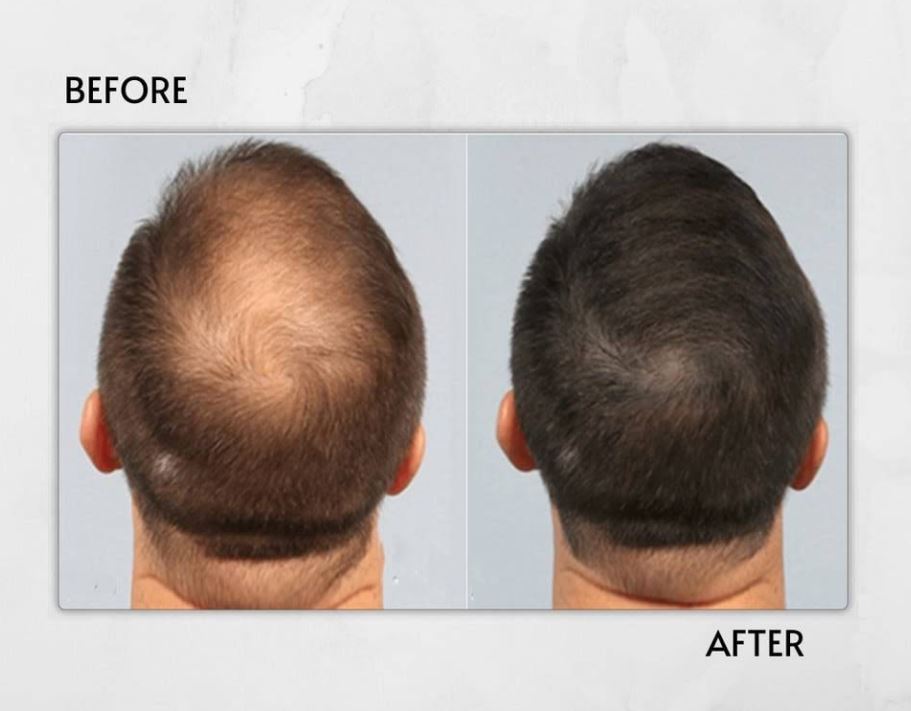
Ask for before-and-after photos. It's a way to see their results with other clients. It’s proof that they can deliver.
Also, ask about the technicians' qualifications and experience. How long have they done laser hair removal? What training have they had? Experienced technicians are less likely to make mistakes that could cause skin irritation or burns. You want someone who knows their stuff and can adjust the laser settings for your skin and hair. It makes a difference.
When you look for a laser hair removal place, safety and cleanliness matter. Make sure they take it seriously.
First, eye protection is a must. Everyone in the room needs to wear proper eye protection to shield against the laser. No exceptions.
Then, skin cooling. Laser treatments can get hot, and that heat can damage your skin. Good clinics use cooling techniques to keep your skin comfortable and reduce the risk of burns or discoloration.
Patch tests also matter, especially if you have darker skin. They will test the laser on a small area first to see how your skin reacts and adjust the settings. This helps prevent unwanted side effects.
The clinic should be spotless. The treatment area should be clean and sanitized, and the equipment should be sterilized between clients. Technicians should wear gloves. This prevents infections and makes sure you have a safe experience. Ask about their sterilization procedures. A good clinic will explain them.
Before you zap away unwanted hair, a good consultation is key. It's not just some formality; it's where you and the laser technician get on the same page. Expect them to look at your skin and hair type. Why? Different lasers work better on different combinations. Someone with dark hair and light skin will have a different experience than someone with darker skin.
They should also understand what you hope to achieve. Are you looking for total hair removal, or just a reduction? Be honest about your goals. A good clinic will also walk you through potential risks: redness, swelling, maybe some temporary pigmentation changes. It's rare, but you need to know.
Here is why: Laser hair removal isn't a one-size-fits-all deal. Your treatment plan needs to be tailored to you. Be realistic about the number of sessions. Most people need multiple treatments, spaced several weeks apart, to see results. Do not expect miracles after one session! A good clinic will give you an estimate and explain why they recommend a certain approach for your situation.
Laser hair removal costs vary. It is not a one-size-fits-all service. The size of the treatment area matters. Treating your back costs more than your upper lip.
The number of sessions also affects the price. Some people see fast results. Others need more treatments. The laser tech a clinic uses matters too. Advanced lasers might cost more per session. However, you might need fewer sessions.
When you shop around, examine the pricing. Do not just look at the final price. Ask what is included. Ask how many sessions your skin and hair usually need. Also ask about extra fees. Clear pricing is key. You want to know what you are paying for.
Some clinics have package deals, so ask about them. Payment plans are another option, especially for larger areas or many treatments. Just understand the terms before you sign.
You booked your laser hair removal appointment. Awesome! Now, you must do (and NOT do) a few things to get the best results and avoid surprises.
First, shave the area getting treated. It sounds odd, but the laser must target the hair follicle under the skin, not the hair on the surface. Shave 12 to 24 hours before your appointment for the best results. Do not wax or pluck. Those actions remove the hair follicle, which is what the laser needs!
Sun exposure is not allowed. Avoid tanning beds and too much sun for at least two weeks before your appointment. Sunburned skin is more sensitive and can react badly to the laser. Wear sunscreen with a high SPF if you are outside. Be careful about this.
Also, skip harsh skincare products in the days before your appointment. That means no chemical peels, no strong exfoliants (like retinoids or glycolic acid), and nothing that could irritate your skin. You want calm, happy skin, not inflamed skin.
Finally, tell the clinic if you are taking any medicines. Some medicines can make your skin more sensitive to light, which can raise the risk of side effects. It is always better to be open and safe! These simple steps will set you up for a better experience and better results.
You just finished a laser hair removal session. Nice! Now, aftercare matters. It's about more than hair removal. It's about caring for your skin. Think of it like stretching after a marathon. Same idea.
Expect some redness. That's normal. Your skin might feel a little sunburned, but it will fade. Soothe your skin with something gentle, like aloe vera. Avoid harsh chemicals or fragrances, since you don't want to irritate your skin.
Sun protection is key. Your skin is more sensitive after laser treatment. Use sunscreen with SPF 30 or higher. Reapply it, especially if you're outside. Sun exposure can cause pigmentation changes.
Skip hot showers and hard workouts for a day or two. Your skin needs to rest. Don't pick at anything. Let your skin heal. If you do these things, you will get better results and avoid side effects. Trust me, aftercare matters.
People have questions about laser hair removal. Does it hurt? Pain levels differ. Most say it feels like a rubber band snap. Some areas are more sensitive.
What about different skin types? Older lasers weren't good for darker skin. Advanced lasers, like the ones Laserbody MD uses, target the hair follicle without harming skin. Technology matters.
How effective is it? Laser hair removal reduces hair growth. It's not always permanent. Some may need touch-ups. Hair color, thickness, and hormones matter.
What are the long-term effects? It's often safe. Some get temporary skin irritation, redness, or pigment changes, but these fade fast. A good clinic with trained staff lowers these risks. They know how to adjust the laser for your skin.
One mistake? Not doing your homework. Don't just pick the cheapest choice. Find a clinic with good technology and trained staff. Your skin will appreciate it.
Laser hair removal hinges on the tech a clinic uses. For example, Laserbody MD uses focused light to target unwanted hairs at the root. This matters because it gets you the lasting smooth skin you want. Who wants endless appointments? Better tech often means fewer sessions.
If you're a busy professional, you likely want the fastest, most effective choice. Look for clinics with the newest lasers; they often cover more area faster. For women facing hormonal hair growth, precision matters. You need a laser that can target even tough hairs.
Athletes, listen: you want to cut down on skin irritation. Ask about cooling systems and lasers made for sensitive skin. Guys, for beard lines, you need a clinic that gets definition. A steady hand and the right laser settings create a clean, masculine look. For anyone with sensitive skin, gentle choices are key. Ask about the different lasers and their safety.
Laser hair removal clinics use light to remove unwanted hair, and it works well. Clinics use focused light to target your hair follicles. This means you get smoother skin that lasts, and you may not need many treatments.
Picking the right clinic matters. Find a place that knows its stuff and uses good equipment. Seek experienced pros who know skin types and hair textures. Lasers differ, so be sure they have the right tech for you.
Laser hair removal isn't just cosmetic. It's a fix for people dealing with unwanted hair. For example, busy people don't have time to shave. Women struggle with hormonal hair. Athletes want smooth skin. It also helps if you have sensitive skin that gets irritated by waxing or shaving.
Laser hair removal can save time, reduce skin irritation, and improve confidence. If you're in Brampton, find a good clinic and book a talk. Talking to an expert helps you decide if it's right for you. It’s worth a look.